

US Government Cheese?
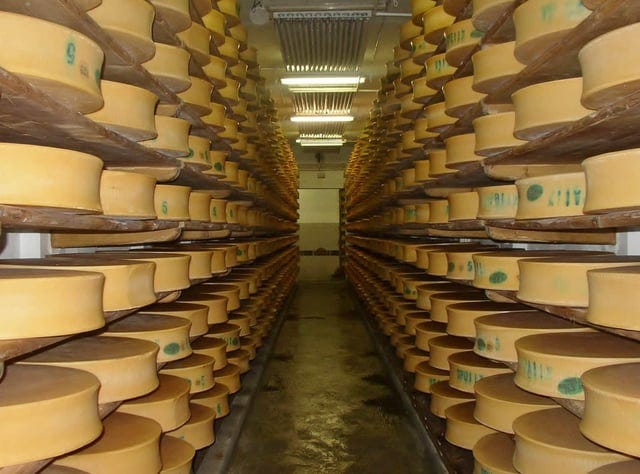
Crack open those Cheddar caves!

Good Morning Team.
Outside of major company-making news, I’m taking a few weeks of down time over August. Everyone’s on holiday - and you can’t fight the sunshine.
However.
Hot weather means low liquidity, which also means that everything’s on sale.
And when a stock on sale is likely to attract US interest, that’s got to be something worth considering. For context, Trump now aims to end US reliance on Chinese critical minerals by January 2027.
This is of course impossible, but if you’re going to try, it means immediate cash injections.
AKA, government cheese.
For the 75% of you who are not Americans, government cheese is a delicious* dairy product provided by the USDA to food banks, military kitchens and welfare recipients - to help pad out their diets but more importantly, to stabilise dairy prices.
The program was launched in the aftermath of World War II to support farmers - with the government buying up excess milk and turned it into shelf-stable processed cheese, butter and powdered milk to prevent market crashes.
This resulted in 1.5 BILLION pounds of cheese worth as much as $4 billion being stored in underground facilities.
Yes, that’s right. The US sold off its tungsten reserves and helium systems but retains a strategic position in cheddar.
Like that weird, sickly school sprinkle square cake with the chemically white icing, or perhaps the turkey twizzlers before Jamie Oliver got his hands on public policy, this cheese is oddly comforting to a certain slice of lower middle America.
It melts perfectly and fits into Andy Warhol’s philosophy, that no amount of money can buy a better Coca-Cola than the one a poor person is drinking.
The key point here is that Washington made the executive decision that retaining a functioning dairy production sector was simply too important to the USA’s economic health to be left to the market.
And this decision was very much bipartisan - if you know anything about US politics at all, you’ll know how rare this is.
Jimmy Carter (a Democrat) began to build up the reserves through federal milk price supports, and the surplus distribution programs expanded massively under Republican Reagan.
(At the same time, Thatcher was being rechristened milk-snatcher. When nation states attempt supply controls, weird shit happens.)
This brings me to critical minerals.
Washington is now running the same bipartisan play, just with things like lithium, graphite and rare earths standing in for cheddar.
The instinct is identical - a commodity price that’s too volatile (or too controlled by a strategic rival) to be left alone, so the government has to step in.
Not by nationalising anything, that would be communism.
By writing cheques.
Grants, loans, offtake guarantees and price floors dressed up as ‘market development’ support.
The mechanisms are scattered across three key entitlements:
Department of War (via the Defense Production Act, Title III) - hands out grants and direct investments to build domestic processing capacity for things like rare earth magnets, and increasingly takes equity stakes rather than just writing grants — see MP Materials, where DoW became the largest shareholder.
Department of Energy - runs grant programs (through the Bipartisan Infrastructure Law and the Loan Programs Office) aimed at battery-grade mineral processing — the biggest bottleneck America has, since mining is the easy bit and refining is where China ate everyone’s lunch.
Export-Import Bank and DFC - offer financing for projects abroad and increasingly at home — including allied-country supply chains, basically a geopolitical hedge against relying on China for 80% of anything.
Orion Critical Mineral Consortium - a multi-billion-dollar investment platform launched by Orion Resource Partners alongside the DFC and Abu Dhabi’s ADQ to secure resilient supply chains for critical minerals (private-public investment is the way forward, as ever).
Underneath all of it sits the same logic as the cheese caves - because this isn’t really about minerals.
It’s about not being caught short during the next supply shock, whether that’s a pandemic, a war, or more likely Beijing maintaining the positon that export licences are a foreign policy tool.
As a resource investor, you tend to think in the hundreds of millions or low billions at most.
For example, Glencore (which is undeniably a Tier 1 miner) is up by 70% over the past year.
It’s also only worth £63 billion.
At $5 trillion, Nvidia’s DAILY market swings are worth more than Glencore’s entire market cap.
Extrapolate further - the US dollar retains hegemony despite its issuing country’s insane debt/defict partly because while the gold bug in me thinks the system is entirely unsustainable, it is actually backed by something - the US military and the petrodollar.
Retaining the world’s largest stock market and largest bond market and AI market lead ultimately - once you go far back enough along the value chain - requires metals and gases.
The US throwing a few billion dollars of funding at projects to protect its wider interests is therefore incredibly cheap insurance.
The IFC (the financing arm of the World Bank, which is technically international but headquartered in Washington), for example, committed $71.7 billion to private companies and financial institutions in developing countries in fiscal 2025.
For the beneficiaries, this is game-changing. To the US federal government, which spends more than $20 billion a day, it’s pocket change.
And best of all, the government cheese trade is simple.
For almost all of them, it’s not priced in.
Cheesey goodness
We can separate who’s likely to get government cheese (or in some cases more government cheese) from those who are perhaps a little more speculative.
It’s really easy to do this because these companies have all but told you that the cheese is coming.
I’ve covered why this is perhaps not going to be a good idea long-term before, but this article isn’t about the ethics of governments spending taxpayer money disrupting the markets - it’s pure profit chasing.
I hope you’re not dairy intolerant.
Basically guaranteed
(For the love of god, this is my personal opinion only and I am not infallible. Not investing advice; make your own decisions. I have positions in these stocks and am actively buying more.)
Sovereign Metals.
On 8 July, SVML told you this:
‘Sovereign's existing Collaboration Agreement with the International Finance Corporation (IFC), a member of the World Bank Group - of which the U.S. Government is the single largest shareholder - positions the Company to advance a development financing strategy for Kasiya alongside a globally recognised development-finance partner. With the Investment Agreement (with Rio) having fallen away, Sovereign is now able to progress its financing workstreams directly and on its own terms. The Company intends to pursue partnerships and financing arrangements for Kasiya, drawing on its engagement with the IFC and with development-finance and export-credit institutions across U.S. and allied economies, consistent with the Project's role in secure, non-Chinese critical-minerals supply.’
This is the largest rutile deposit in the world. The US government needs it for weapons.
It’s also the second-largest graphite deposit in the world.
Rare earths? Its monazite’s DyTb and Yttrium oxide ratios in the Total Rare Earth Oxide (TREO) basket are around seven times higher than world’s five largest rare earth producers.
The MRE stands at a Rutile Mineral Resource of 2.1 billion tonnes at 0.96% rutile for 20.3Mt contained rutile, with 0.95% TGC for 20.0Mt contained graphite.
The DFS saw $2.2 billion pre-tax NPV₈ and a 3.0x NPV/Capex ratio. Total projected revenue is $16.2 billion over an initial 25-year mine life, and future extensions are practically a given.
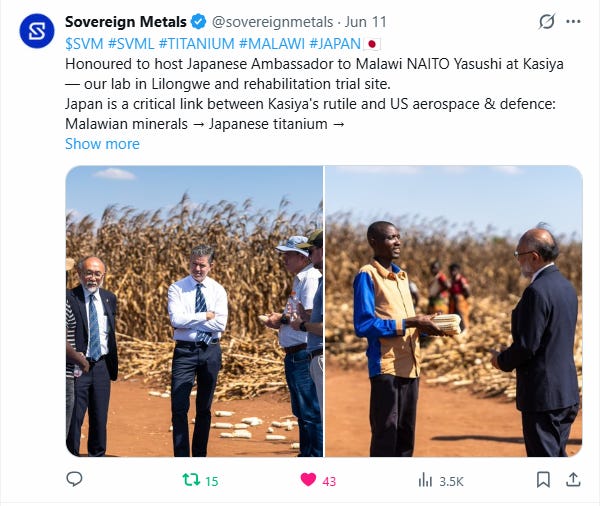
Reaching first production requires $727 million in capex and opex is just $450 per tonne (FOB Nacala).
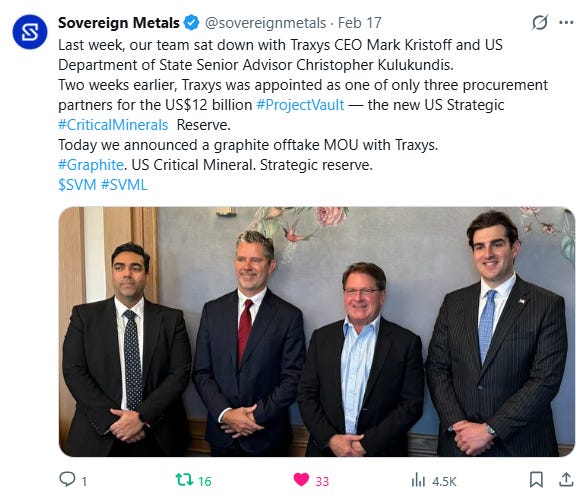
The DFS was completed to IFC standards and they’re helping with the Environmental and Social Impact Assessment. The IFC is also financing the Mpatamanga Hydropower Project, which is Malawi’s largest energy infrastructure project to date, along with what feels like half the country’s infrastructure.
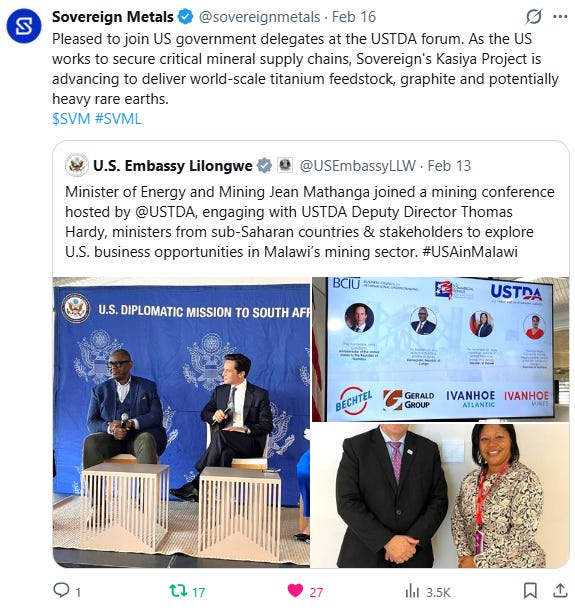
And they have the rights to finance Kasiya - with Rio no longer getting any rights, as primary lender and/or mandated co-lead arranger for debt financing of the Project, or lead investor in debt or equity securities financing.
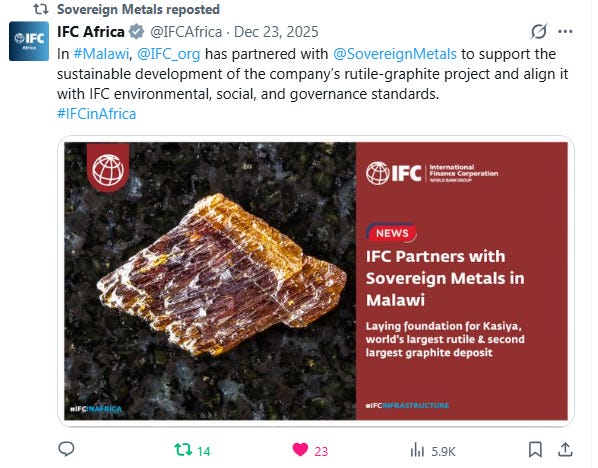
It could not be more obvious.
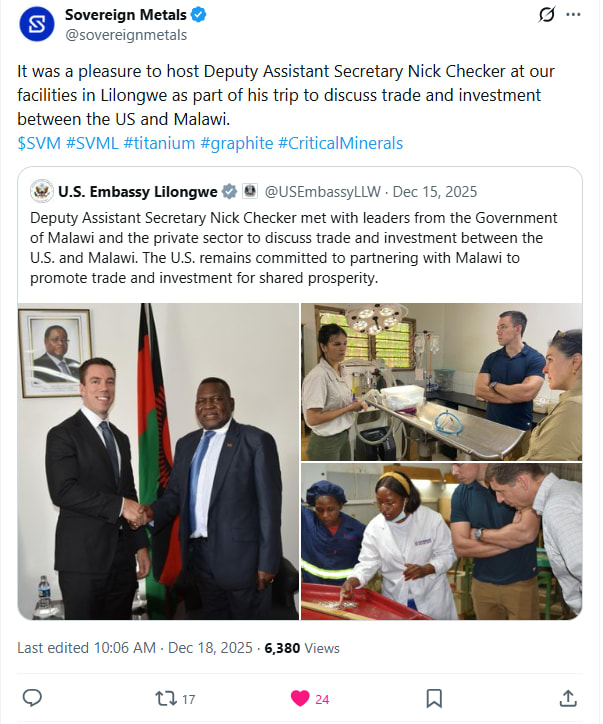
And this guy? Nick?
Trump has launched a $500 million United States-Africa Strategic Investment Program, its first dedicated fund aimed at securing critical mineral supply chains on the continent - and another indicator of Washington’s pivot from foreign aid toward private-sector-led engagement.
It’s administered by the State Department’s Bureau of African Affairs.
And Nick’s in charge of it. Listen to how he thinks. It’s worth you time.
What project could align here?
This is the most undervalued thing you’ll see anywhere.
Amaroq.
What makes AMRQ interesting is that they’re generating free cash flow, which is going to soar as we head into Q4.
They don’t need government cheese.
They’re coming to the Main Market and Citi is backing them. It’s all coming together.
But this trade is different to Sovereign; the US, Europe and Japan are all doing their level best to bring Greenland more into their own personal spheres of interest - this requires delicate political skill, which the team here has in spades (though Trump’s threats of taking the island by force, or perhaps by buying it from Denmark, hasn’t helped).
The island holds 40 minerals that the US government considers to be critical to its national and economic security.
Amaroq is the largest licence holder for mineral exploration in the country. Through Suliaq, it’s also the best way to go exploring as they’ve learnt through trial and error what can go wrong.
Basically if you want to invest in the island or in the chances of US government cheese arriving in Greenland, there’s only one way to go.
Amaroq is already exploring at an insane pace - see my interview with their excellent geo here - but my view remains now that the Black Angel zinc-lead-silver (and germanium and gallium) project, historically one of Greenland’s highest-grade base metal operations, is going to see some kind of funding.
Whether that’s pure grants, or price floors, or similar, we shall see. But inevitably, multiple jurisdictions want a piece of the pie and there’s only one way to play this theme.
Eldur has made clear that the US government has been mulling investment into its projects - he literally said this in an interview with in January, saying deals could involve ‘offtake agreements, infrastructure support and credit lines.’
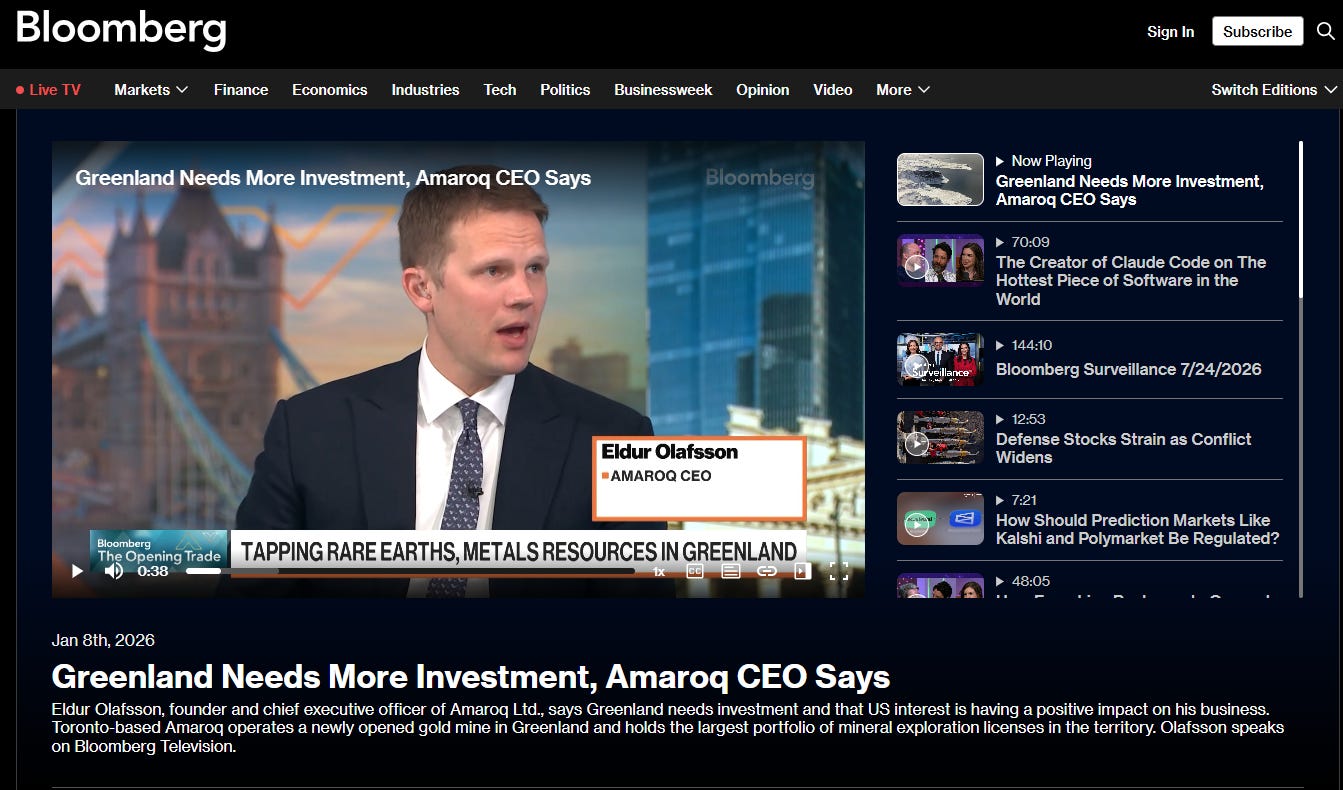
Like, he’s literally told you talks have been ongoing for months.
In fact, at least a year.
In June 2025, Eldur told Bloomberg that Amaroq was actively engaged in discussions with several state-backed agencies across both sides of the Atlantic:
‘They are looking for ways to either back businesses, back mining projects, back energy projects…They’re looking for ways to secure supply of certain minerals to the US, for example. And we see the same thing on the Danish side and the European side.’
They’re going to prove they can make the economics work when Nalunaq ramps up next quarter.
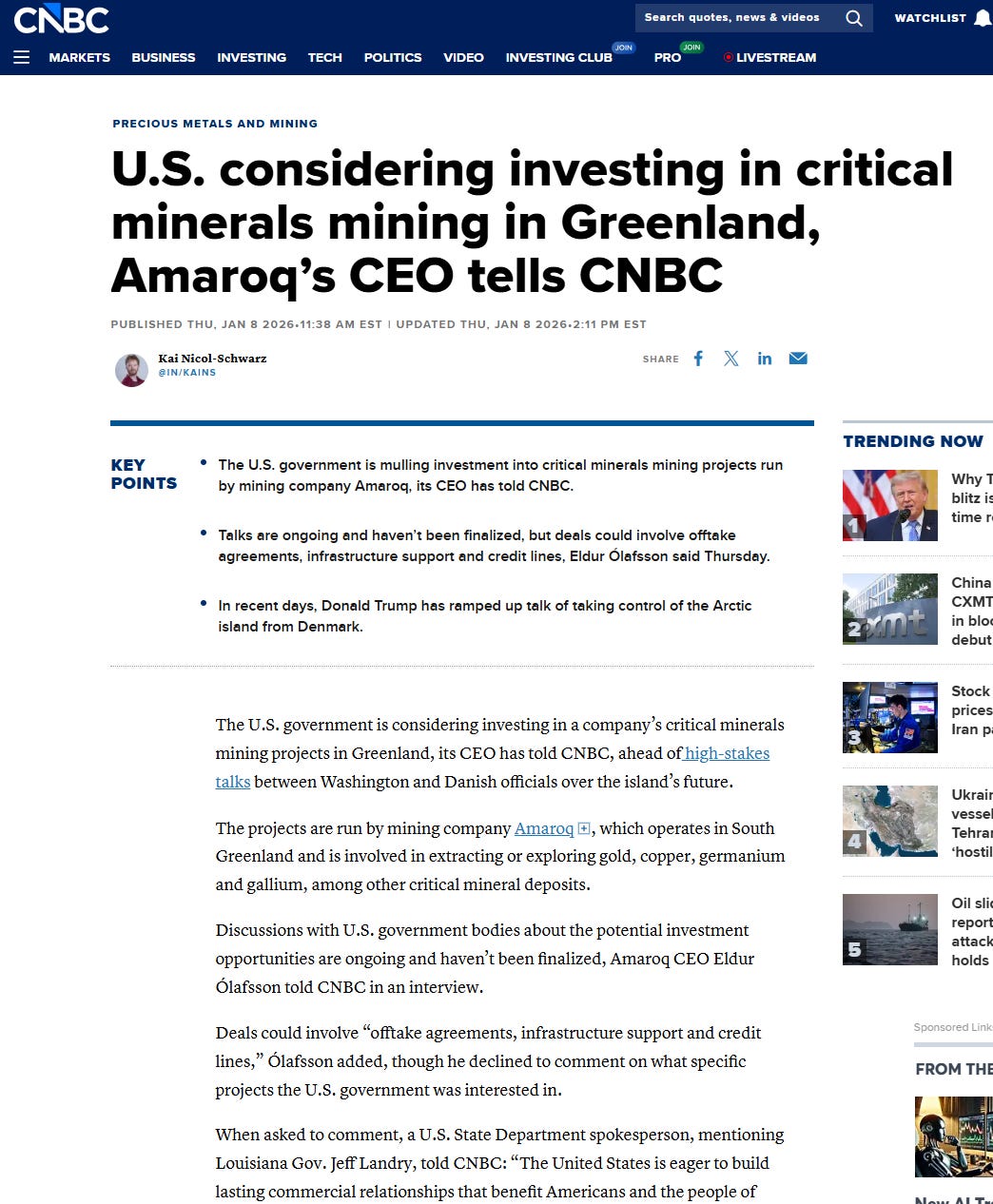
I don’t know what else you need.
Guardian Metal Resources
Come on guys.
The USA does not have domestic tungsten production.
It wants some.
That’s it.
That’s the thesis.
China decided to stop exporting the stuff, as predicted, and is actively importing as much as it can get its mitts on - and that’s before we consider the nuclear fusion angle.
We now have the PFS.
The project will produce 15,916 tonnes of WO3 over an eight year mine life, generating after-tax free cash flow of >$1 billion, with a capital payback period of just one single year from first commercial production.
At the spot price of the RNS date, the Project would generate after-tax free cash flow of >$2 billion, with an IRR of 101.6%, and a capital payback of 6 months from first commercial production.
GMET’s PFS was funded by a US Department of War $6.2 million Defense Production Act (DPA) Title III investment.
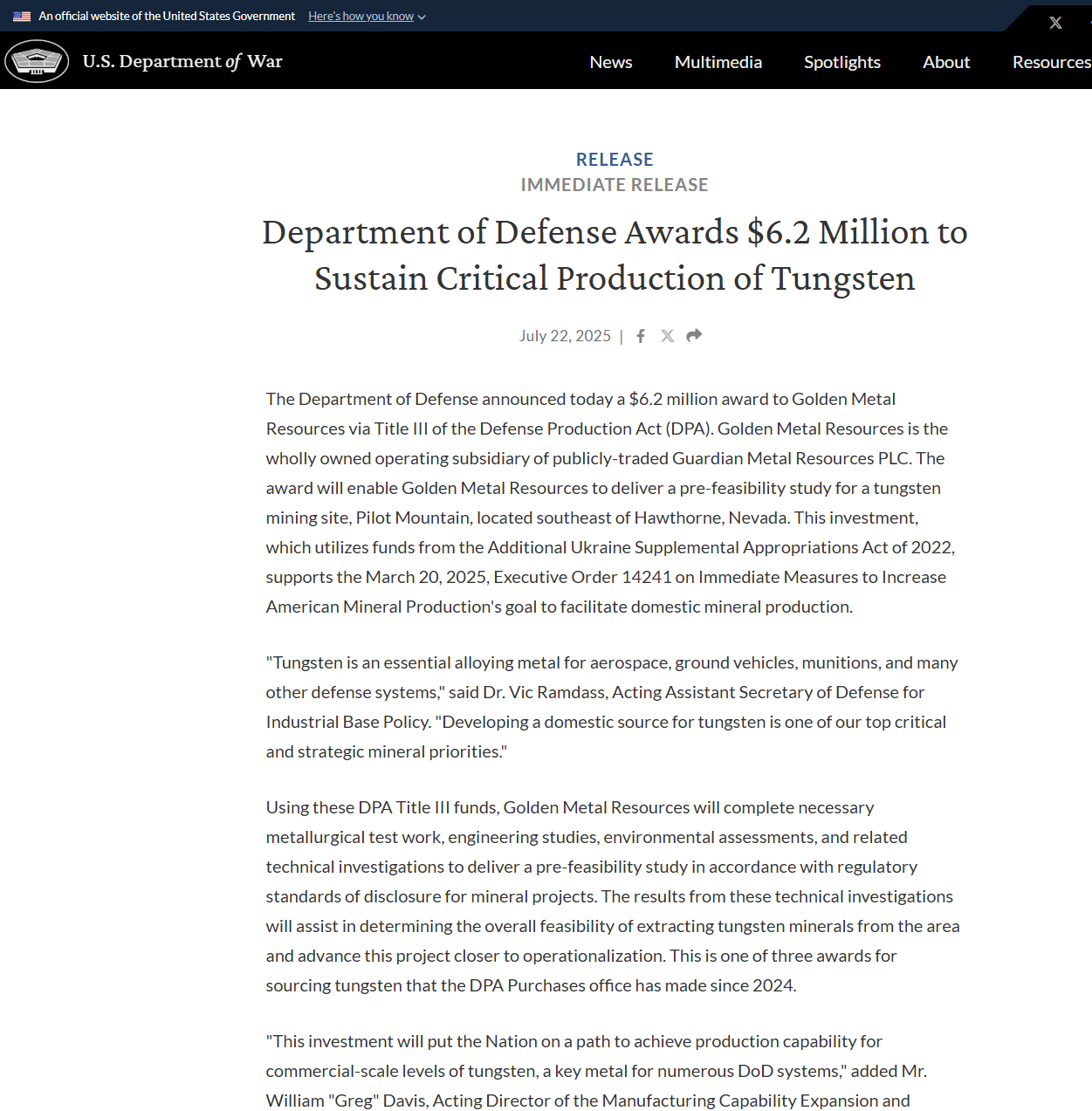
CEO Oliver Friesen, among other things, noted that:
‘The importance of tungsten for defense, technology, aerospace, and national security has never been more apparent. We believe that Pilot Mountain is the only tungsten Project in the United States with a recently completed S-K 1300 compliant PFS, positioning it as a unique opportunity for near-term U.S. mined tungsten production.’
They were there earliest, they’re ahead of the curve.
Timeline to production is what Washington cares about.
It really is that simple.
Possibly the key thing to consider here is that the only PFS weakness - the short mine life - is being actively worked on via exploration on the project’s other target areas including the Tremor Zone, Gunmetal and Good Hope.
Capex is expected to be just $288.7 million.
Paid back in under a year. Perhaps as little as a few months.
Easy mining. US pocket change.
The 8 year Life of Mine should produce 15,916 tonnes of recovered WO3 - you might expect this to go into the nearby strategic stockpile but buyers want this cheese now.
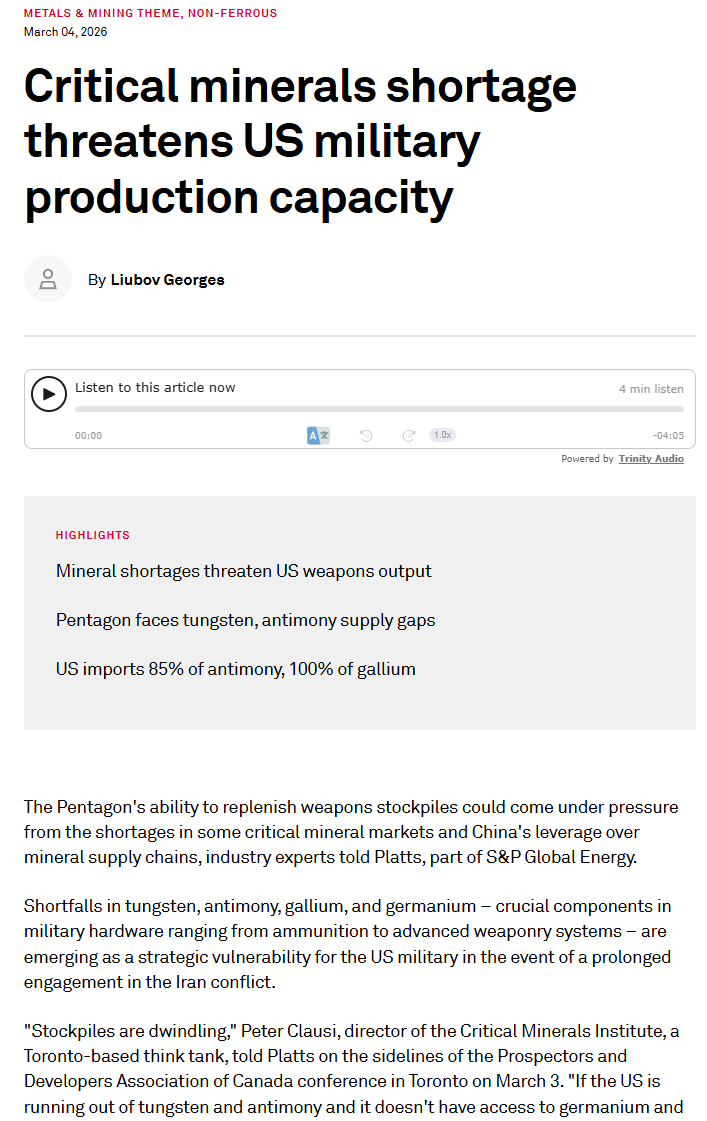
The US is blowing up its tungsten on adventures in the Middle East. And I’ve lost count of the number of executive orders designated at preventing the West from acquiring Chinese tungsten - or improving domestic and allied supply.
But there’s a political angle here as well. Nevada is a Swing State and the midterms are coming up. PM and Tempiute (as once the country’s largest tungsten mine) are both symbols of Nevada, and financial support is a cheap way to win votes.
Beyond this, one other thing nobody’s cottoned onto yet. Typhoon Noul is currently causing damage in both Hunan and Jiangxi. These two Chinese provinces produce >60% of China’s tungsten - and as China controls the world in this metal - roughly half of global production is quite literally in the eye of the storm.
Beijing has issued its highest warning - a ‘Red Alert’ threat for flash floods specifically covering Jiangxi and Hunan.
One flood away from chaos.
Just read this shit from Reuters in late May:
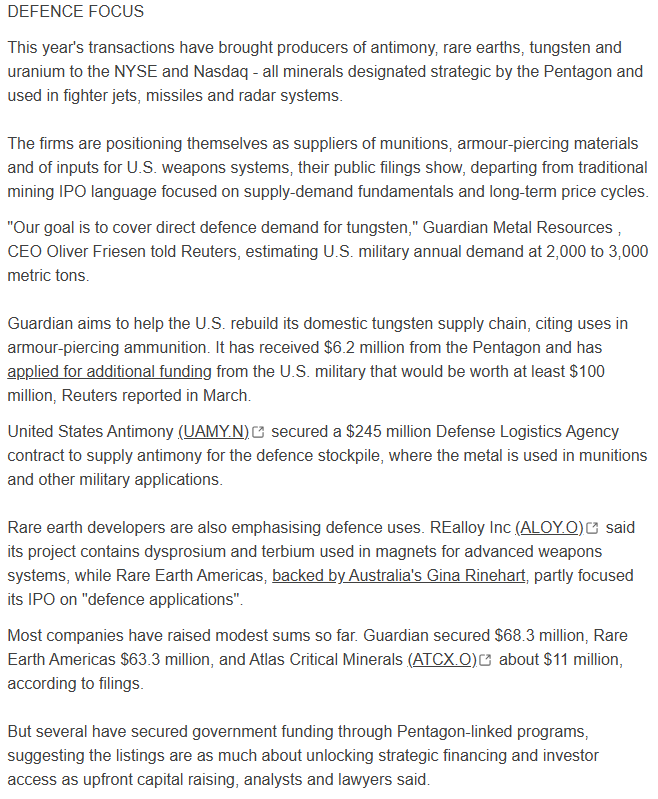
You can only be lead to water, horsey.
Take a sip.
Watchlisted stocks
The three above are, in my mind, slam dunks.
They’re also in great buying spots - SVML was worth double its current market cap a couple of months ago, Amaroq remains just below £1 and GMET has also lost about half its share price over the past few weeks.
Gravy.
As Warren Buffett once famously said:
‘Be greedy when others are acting like paper-handed chickens.’
It’s only a matter of time.
(Once again, not advice. Use your own brain please).
I do have others though - but these are perhaps a tad more speculative, if only because you don’t have companies explicitly telling you what’s going on.
I’ll run through them briefly.
Mkango, Blencowe & Harena.
All three got circa $5 million of grant funding from the DFC to progress their various projects across Africa - though Mkango is far more interesting for HyProMag USA, its 50/50 joint venture with CoTec Holdings.
HyProMag uses a patented Hydrogen Processing of Magnet Scrap (HPMS) process that recovers neodymium iron boron magnets from end-of-life scrap and turns them into recycled magnets with a much smaller carbon footprint.
It’s building a recycling and magnet manufacturing hub in Dallas-Fort Worth, Texas, with pre-processing sites in South Carolina and Nevada - and EXIM issued a letter of intent for up to $92 million in financing for the facility in June last year
The project clearly aligns with EXIM’s ‘Make More in America’ initiative, aimed at reshoring critical domestic manufacturing and is also politically attractive because it cuts US reliance on China.
The technology was also one of only 17 projects selected worldwide by the Minerals Security Partnership.
I’d expect this to be the start of the funding, not the end.
Blencowe has secured its DFS on very attractive numbers - and ultimately its share price is weakened by the wait for finance.
But you’ve got the CEO in the US on what appears to be a regular basis. And Orom-Cross graphite is being used in live rocket propulsion nozzle testing in California.
With US Government agencies in attendance.
American Energy Technologies Company (AETC) — the same Chicago-based partner that was already validating Orom-Cross for synthetic diamond conversion and purification — has manufactured rocket nozzle mouldings using Orom-Cross graphite concentrate.
The recent test firing was attended by representatives from Pluto Aerospace, Purdue University and various US Government agencies, alongside Blencowe’s COO Iain Wearing.
Subject to technical outcomes and scheduling — orbital testing is expected in H2 2026.
In parallel, AETC has been evaluating graphite-based coatings applied to rocket fin components, testing durability under hypersonic conditions and icephobic properties — surfaces engineered to resist ice formation.
Again, the DFC already committed $5 million to Blencowe, with first right of refusal on project-level financing. That was the co-investment signal I flagged late last year
Blencowe’s Executive Chairman Cameron Pearce said it plainly:
‘The more value-enhancing strategic relationships Blencowe and AETC can build within US Government agencies, and associated technology providers, the more likely offtakes and/or funding from this direction.’
Harena - just got its DFC RNS. You might imagine it follows the trajectories of the other two - you just have to wait.
Helix and United Oil & Gas.
Helix just acquired a new CFO. Not noteworthy on its own, but consider the wider picture.
There is no helium going through the Strait of Hormuz. Russia and China have both turned off exports.
Half of global production has been cut off.
Helix has just completed first sales, validating its theoretical numbers, and has also bought Keyes.
The market just does not get it yet.
Helix is now the only fully vertically-integrated independent US helium producer.
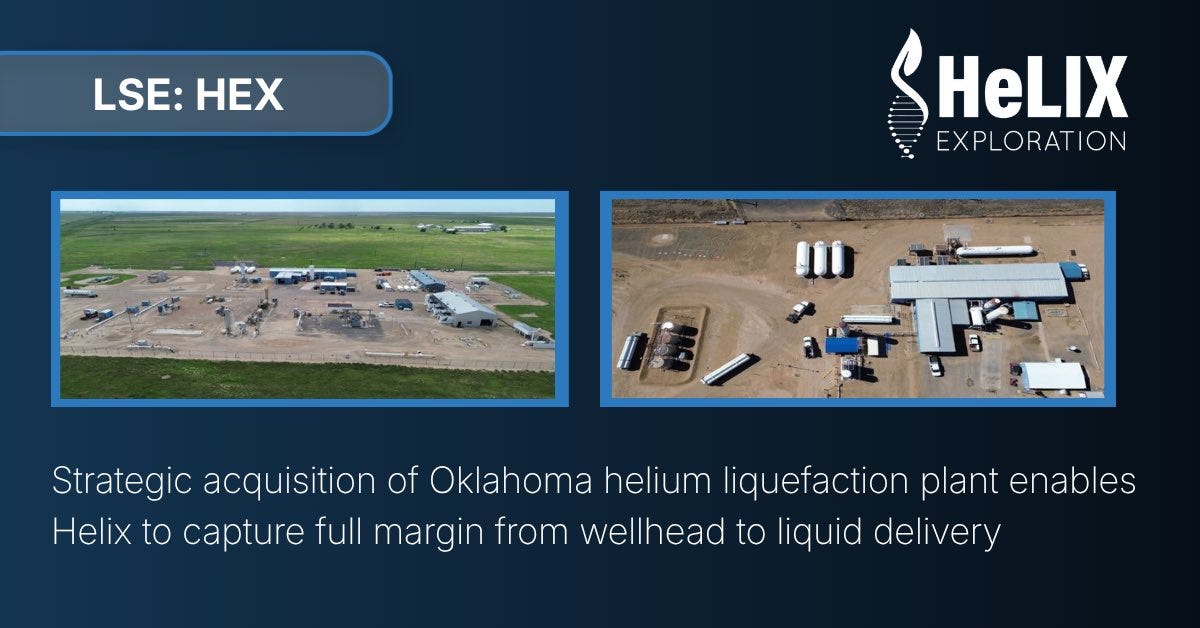
Until now it had no way to liquefy that gas itself — it depended on third parties. Owning Keyes means Helix becomes the only independent producer in the country to own both upstream production (Rudyard) and liquefaction infrastructure.
Liquefaction capacity is scarce and hard to replicate — new federal helium land permits aren’t even available anymore, and building an equivalent plant would take 5+ years and cost >$31 million.
Unlike liquefiers tied to a single gas source, Keyes can process gas from Helix’s own wells, third-party producers, tube trailers, and crude helium from the old BLM Cliffside reserve — with capacity for 100% tolling.
As the Hugoton/Cliffside system declines and regional helium supply gets more fragmented, Helix can position itself as the flexible landing spot that independent explorers route their gas through, rather than being at the mercy of the handful of major industrial gas companies that currently control most liquefaction and allocation.
And instead of relying solely on selling raw gas from Rudyard to a small number of buyers, Helix can also sell liquid helium into a global buyer base.
But you know what? Add in the Helium-3, argon and geological hydrogen - with which the company is already working through a programme with the US Air Force - and this is a nationally strategic asset.
Keyes can even deliver helium direct to the old strategic reserve, which the US will soon have to buy back and switch back on at great expense.
And grant funding for its assets I suspect is well on its way. (Or Elon comes in with some air support).
There’s a reason Drachs has come back for more.
United Oil & Gas I’m coming at from another angle.
Again, speculative.
But it’s looking to finance a $60 million drill for its frontier exploration in Jamaica.
Cast a glance at a map of the region:
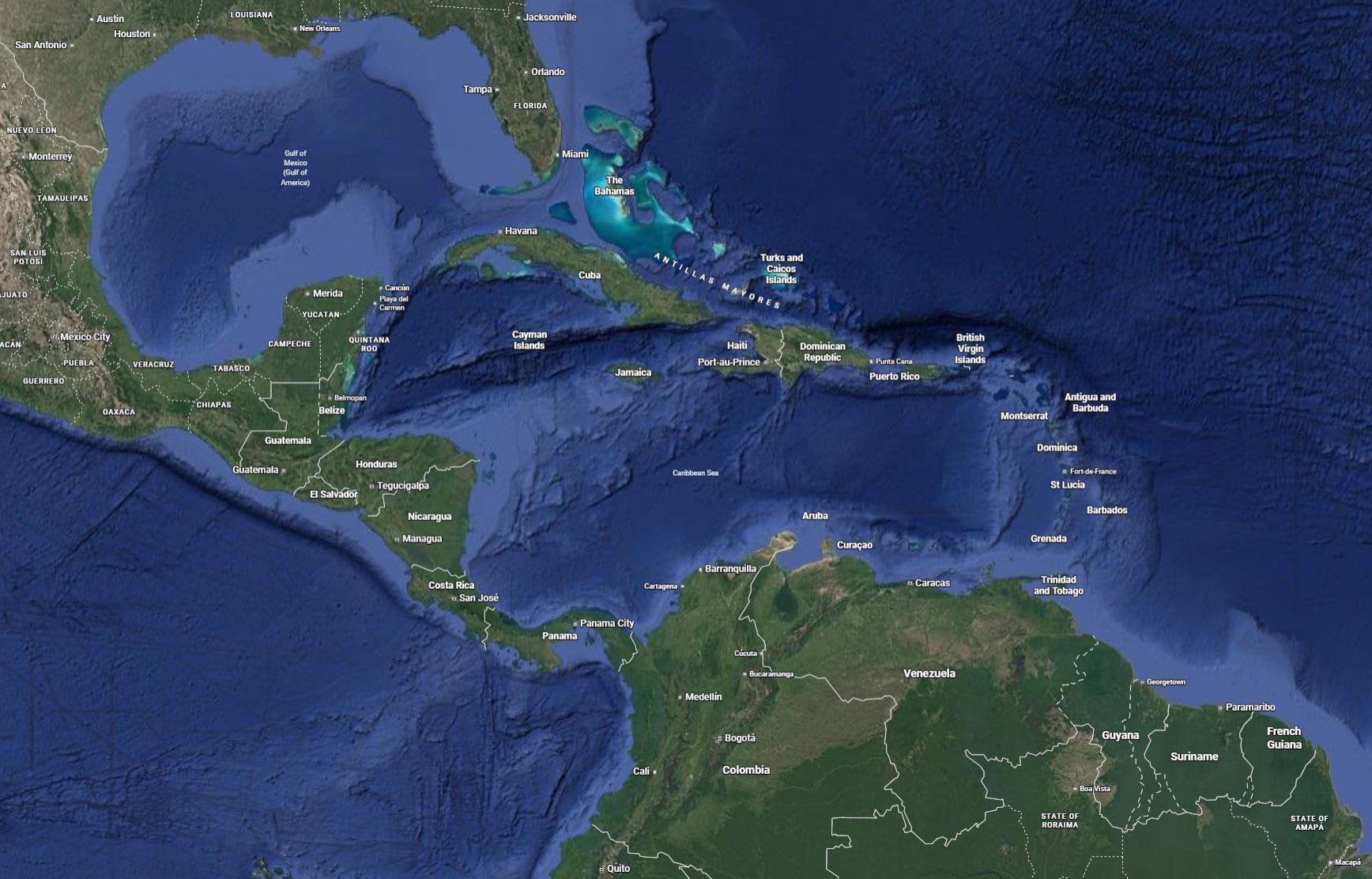
Oil coming from Guyana and Venezuela (I have another favourite here, but let’s wait for a deal) is going right past Jamaica - and if oil is found, UOG could easily use Floating Production Storage and Offloading vessels to ship it out.
Shuttle tankers would pull right up to the Jamaican FPSOs, load the crude, and immediately head north to the US Gulf Coast using the exact same maritime pathways
Jamaica’s Energy Minister, Daryl Vaz, has explicitly noted that the company’s recent successful seabed core survey results will make it much easier for UOG to attract ‘big oil and gas giants in the United States.’ If a major US operator (like ExxonMobil or Chevron) steps in as UOG’s farm-out partner, the project will immediately secure immense diplomatic and commercial backing from Washington.
For context, the US is actively pushing a policy of linking American and Caribbean energy resources to insulate the region from geopolitical shocks - and Washington clearly favours a pro-Western oil hub on the doorstep of the US Gulf Coast.
Some kind of financial support for development is not hard to see happening.
Great Western Mining & Bradda Head.
GWMO - it’s not hard. Assays shortly, MRE in Q4. If the results approach anything its further along neighbour enjoys - then an initial grant to support additional exploration I think is perfectly possible.
We know CEO Ed Loye was in Washington all too recently - and it’s not exactly hard to put two and two together.
But we need drill results first.
Bradda Head has secured Rio Tinto support through its exploration JV with subsidiary Kennecott Exploration Company at the Whistlejacket lithium project in Arizona and recently announced a memorandum of understanding with major US battery technology developer Tyfast.
Having also been accepted into the Defense Industrial Base Consortium, I suspect active negotiations are ongoing.
This one may take time though.
Kendrick Resources.
Kendrick - subject to processabilty tests - has the potential to attract significant cheese as well.
Chairman Colin Bird noted months ago that:
‘In a dynamic market that has a voracious appetite for rare earth super magnet minerals we are pursuing our internal objectives but also remain flexible and thus listen to parties interested in partnering in relation to our project. We continue to discover new resources with our fast-track exploration strategy and we are now of the opinion that T K has the economic potential to become a Tier 1 project in this sector.’
The company recently placed with a US fund and family office - and the sheer scale of this thing compared to other major rare earth projects will command attention as more data comes to light.
Watch this space.
Finally, Delta Gold.
This is, despite its name, not a mine.
Delta is betting that gold nanoclusters could solve the ‘stable, scalable qubit’ problem that has bedevilled quantum computing for years, since unlike trapped ions (the current standard), gold clusters can be synthesised at scale.
If that science holds up, the resulting patents would sit on the critical path of every major quantum computing effort (including IBM, Google, Microsoft and Nvidia), forcing those players to license or acquire the IP.
Listen to their recent discussion here.
Consider the accelerated research funding to Toronto, the formal Penn State partnership announcement, the scientific advisory hire Dr Thomas Davis, the appointment of top-tier patent prosecution firm (Haynes Boone), and the three new patent applications filed with Penn State alongside a doubling of that research sponsorship to $6 million.
US government grants and equity stakes are already flowing into quantum computing, keeping the IP within Five Eyes nations - and a US listing would come to no great surprise.
A breakthrough would see support.
Remember though, this is all speculation.
I’m just building a mosaic of where Trump might target his support. If you want a guarantee, sign up for his Truth Social subscriber early access scheme.
I’m sure it’s completely legal and proper.
Have a great summer!
Excellent research Charles. As ever its all in the timing neither SVML nor GMTL are showing signs of bottoming out and given the falls thus far I suspect it won’t be long coming. The whole mining complex is due a re rating is it not?🐻
Thank you for all the insights, enjoy some nice cheese and wine over your Summer!